Friendship & Social Skills Cards: 12 Taboo Cards with Five Forbidden Words
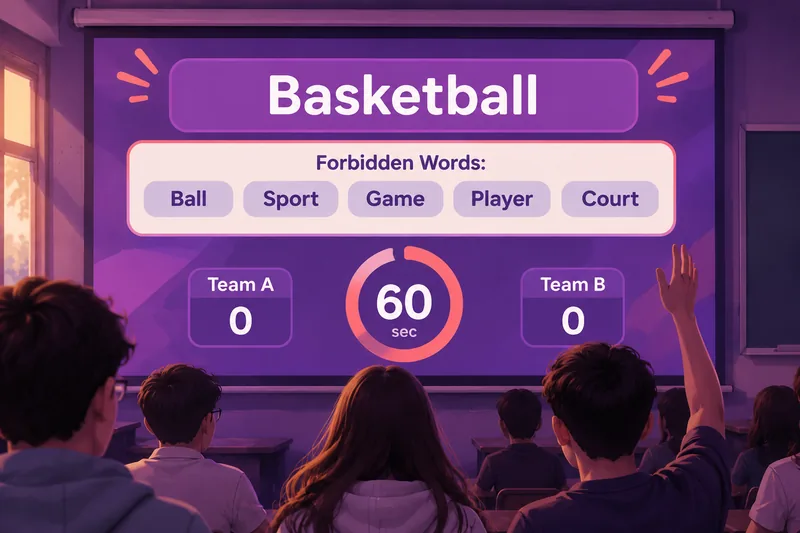
Twelve cards about how friendships work: empathy, loyalty, apology, trust, boundary, reliability, conflict, support, jealousy, kindness, reunion and misunderstanding. They suit form time, social-emotional learning lessons and ESL conversation classes.

All 12 Friendship cards
Level B1-B2 · ages 10+ · Social-emotional learning · difficulty medium.
empathy
- feel
- understand
- others
- emotion
- share
Why these five: The definition is feeling what someone else feels, so every word of it is blocked and the describer needs a scene.
loyalty
- friend
- faithful
- defend
- team
- promise
Why these five: Sticking with someone is the idea, so the describer must use a story about staying or leaving.
apology
- sorry
- mistake
- forgive
- say
- regret
Why these five: The ritual words are the whole act, so the describer must describe tone, timing or what happens next.
trust
- believe
- rely
- honest
- secret
- faith
Why these five: Belief and honesty are the definition, so the describer needs a small test or a betrayal example.
boundary
- limit
- personal
- space
- respect
- no
Why these five: Limit and respect are blocked, leaving the describer to describe a situation where a line is crossed.
reliability
- dependable
- consistent
- count on
- steady
- on time
Why these five: The synonyms are the answer, so the card forces the describer to give evidence of behaviour over time.
conflict
- disagree
- fight
- argue
- resolve
- tension
Why these five: Disagreement is the definition and every disagreement word is blocked, so the describer needs a cause and an escalation.
support
- help
- listen
- encourage
- there
- shoulder
Why these five: Help and listening are blocked, so the describer must describe presence rather than action.
jealousy
- envy
- want
- other
- green
- insecure
Why these five: Envy is a direct synonym, so the card pushes the describer towards comparison and social media.
kindness
- nice
- help
- care
- good
- generous
Why these five: All five positive adjectives are blocked, so the describer must describe a specific act.
reunion
- meet
- again
- long
- friends
- together
Why these five: Meeting again is the definition, so the describer has to use time, place and change.
misunderstanding
- wrong
- think
- clear
- confuse
- talk
Why these five: The concept is a wrong belief about someone's meaning, and each element is blocked; the describer needs a two-person scene.
Who this deck is for
Relationship vocabulary for advisory lessons, counselling groups and ESL conversation: feelings, trust, repair and conflict.
Ages 10 and up can play it, and the vocabulary sits around B1–B2 for English learners. It pairs with the teens deck for a lighter round afterwards.
How we picked the taboo words
Each card bans the dictionary synonym and the two most obvious scenarios. TRUST loses believe, rely, honest, secret and faith. RELIABILITY loses dependable, consistent, “count on”, steady and “on time”, so describers end up talking about a friend who always turns up.
MISUNDERSTANDING and APOLOGY make a natural pair in one round: the first describes how a problem starts, the second how it ends.
How to use it in a lesson or game night
Use one card as a conversation prompt after the round; the vocabulary doubles as a shared language for conflict repair.
After each card is guessed, ask the guesser for a ten-second example from a book, film or (if they choose) their own life. It turns the game into a discussion without forcing anyone to share.
Print or play this deck
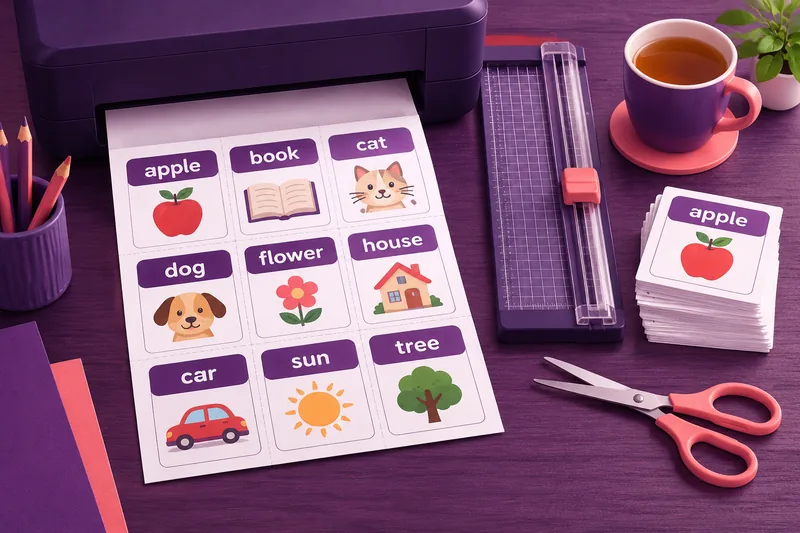
Download the deck as a PDF with nine cards per page and cut lines: A4 PDF or US Letter PDF. To play without printing, open the word generator with this deck selected.

Frequently asked questions
Is this deck suitable for primary school?
Can it be used in counselling groups?
Keep going

Sources
- Hasbro Taboo rules PDF (1999/2000 printing) — turn order, scoring, fouls and tie-break
- Cambridge English: A2 Key vocabulary list — topic lists used to grade the A2, places and jobs decks
Sources read on 28 Nov 2026. A fact counts as checked when two independent sources agree; where they disagree, both readings stay on the page. How we work: editorial policy.
Limitation: the deck is not mapped to any SEL curriculum standard; it is written for open discussion.
Last updated: · Taboo Game Guide editors