Math Vocabulary Cards: 12 Taboo Cards with Five Forbidden Words
Twelve maths vocabulary cards for ages 11–16: fraction, perimeter, denominator, prime number, variable, equation, angle, symmetry, probability, decimal, polygon and ratio. Students have to explain what a term does, which shows whether they understand it rather than whether they memorised it.
All 12 Math cards
Level B1-B2 · ages 11-16 · Mathematics · difficulty medium-hard.
fraction
- part
- whole
- numerator
- denominator
- half
Why these five: The formal definition is blocked word by word, so the describer must use a pizza, a measurement or a number line.
perimeter
- around
- outside
- add
- sides
- distance
Why these five: The measurement definition is exactly those five words, so the card forces an example shape.
denominator
- bottom
- fraction
- number
- divide
- whole
Why these five: Position and fraction vocabulary are the definition, so the describer must explain the role rather than the location.
prime number
- divide
- itself
- factor
- one
- two
Why these five: Divisibility is the concept and every divisibility word is blocked, so the describer needs examples and non-examples.
variable
- letter
- unknown
- algebra
- solve
- value
Why these five: The algebra classroom set is removed, so the describer must talk about what changes and why we name it.
equation
- equals
- solve
- balance
- expression
- math
Why these five: The equal sign is the definition, and it is blocked; the describer has to use a balance or a worked example.
angle
- corner
- degrees
- lines
- measure
- vertex
Why these five: Every formal term is blocked, so the describer must use opening, turning or a clock.
symmetry
- mirror
- same
- half
- fold
- equal
Why these five: The fold-and-mirror test is the definition; blocking it forces the describer to demonstrate with an object.
probability
- chance
- likely
- fraction
- event
- random
Why these five: The statistics register is removed, so the describer must use dice, weather or a bet.
decimal
- point
- tenth
- place
- number
- fraction
Why these five: Place value and the dot are the standard clues; both are blocked, leaving money and measurement.
polygon
- sides
- shape
- closed
- angles
- triangle
Why these five: The definition is a closed shape with straight sides, so every word of it is blocked.
ratio
- compare
- two
- numbers
- proportion
- fraction
Why these five: Comparison of two quantities is the concept, so the describer must use a recipe or a scale model.
Who this deck is for
Geometry, fractions, algebra and probability terms matched to upper-primary and secondary maths glossaries.
Use it as a starter, a revision lesson before a test, or a five-minute plenary. It covers number, geometry, algebra and probability, so one deck spans most of a lower-secondary year. Both spellings work: “maths Taboo” in the UK and “math Taboo” in the US.
How we picked the taboo words
Banned words are the definition words plus the term’s neighbours. DENOMINATOR loses bottom, fraction, number, divide and whole; PRIME NUMBER loses divide, itself, factor, one and two, and “number” is already off limits as part of the guess. Players must reach for examples like 7, 11 and 13.
SYMMETRY and ANGLE are the easiest cards because students can describe a shape; PROBABILITY and RATIO are the hardest because the banned list removes fraction and chance.
How to use it in a lesson or game night
Revision before a test: the describer must define the term without naming its symbols, which exposes gaps in understanding.
Following Fawn Nguyen’s version, let the teacher act as the buzzer and allow drawing on a mini whiteboard as a house rule for younger groups. Older students should play with words only.
Print or play this deck
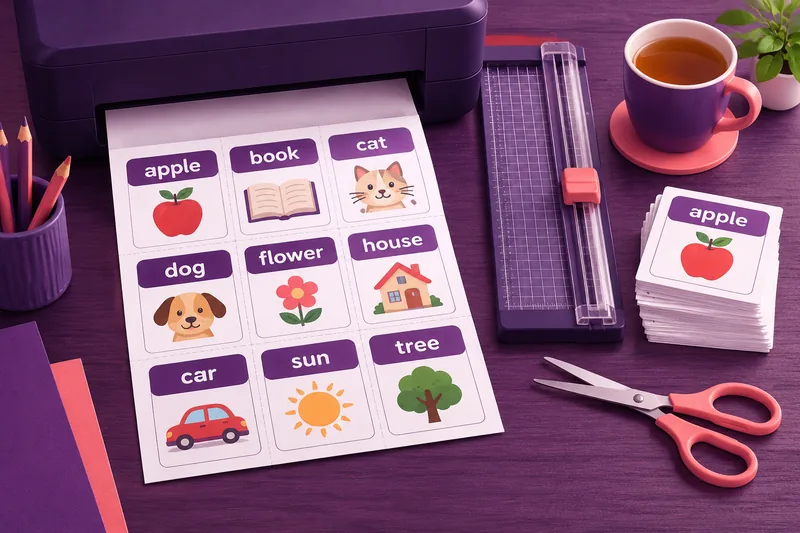
Download the deck as a PDF with nine cards per page and cut lines: A4 PDF or US Letter PDF. To play without printing, open the word generator with this deck selected.
Frequently asked questions
Can students draw in math Taboo?
Is there a math Taboo generator?
Keep going

Sources
- Hasbro Taboo rules PDF (1999/2000 printing) — turn order, scoring, fouls and tie-break
- Fawn Nguyen: Math Taboo Game — classroom variant with four taboo words
Sources read on 28 Nov 2026. A fact counts as checked when two independent sources agree; where they disagree, both readings stay on the page. How we work: editorial policy.
Limitation: there is no single standard math word list, so the topic choice is ours.
Last updated: · Taboo Game Guide editors